
How Hidden Data Drives Conspiracy Thrillers
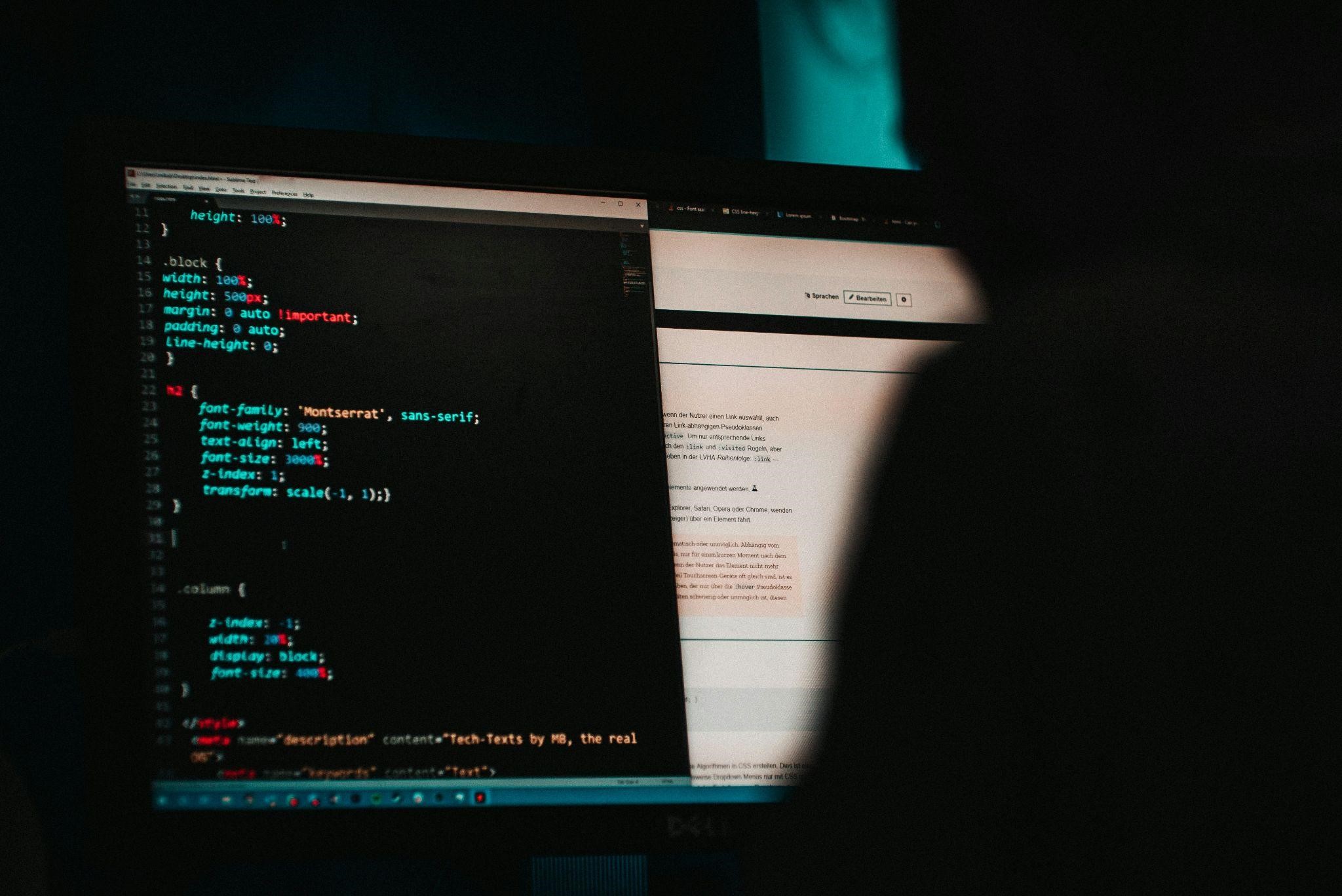
Photo byMika Baumeister onUnsplash
How hidden data drives conspiracy thrillers from the first page is simple: information is more dangerous than bullets. Readers are no longer satisfied with chase scenes alone. They want evidence, secrets, and consequences. Data becomes a weapon, and those who control it shape life-or-death outcomes.
A conspiracy thriller with hidden data thrives because the stakes feel immediate. It’s not only who dies next—it’s what files, logs, or USB drives reveal. Modern thrillers focus on how ordinary systems like banks, emails, and cloud storage hide extraordinary power. Every spreadsheet, ledger, or encrypted folder carries potential disaster.
Key TakeAways
hide
Secrets Beyond Conversation
Classic conspiracies relied on whispers and shadowed meetings. Today’s thrillers lean on files and networks. Characters sift through logs, uncovering corruption, fraud, and hidden crimes. The tension builds because these documents are silent but deadly.
How hidden data drives conspiracy thrillers lies in this quiet danger. A single file can expose empires, implicate politicians, and ignite violence. Unlike a bullet, data persists. It survives fires, floods, and attempts at erasure. That permanence gives every discovery weight.
Readers recognize this tension. It mirrors the real world, where privacy is limited, and a single data leak can destroy reputations and empires.
The Pull of a Conspiracy Suspense Novel
Modern readers crave a conspiracy suspense novel that feels plausible. They want to follow clues, decode digital footprints, and experience fear that is intellectual as well as physical.
Hidden data fuels this demand. Characters uncover email chains, shipping manifests, or financial spreadsheets that slowly reveal the scope of crimes. The story unfolds in layers. One small discovery leads to another. The narrative becomes a puzzle, and readers feel like detectives.
How hidden data drives conspiracy thrillers by making readers complicit. They piece together secrets alongside the protagonist, heightening tension and engagement.
Digital Evidence Outpaces Violence
Weapons injure. Data destroys.
How hidden data drives conspiracy thrillers because digital evidence threatens everything a villain has built. A ledger can topple corporations. A server log can prove identity theft, money laundering in fiction, or human trafficking networks.
In these stories, villains do not fear bullets. They fear proof. That proof becomes a ticking bomb in the hands of someone determined enough to expose it.
The impact of data-driven suspense is psychological as well. Readers feel dread because exposure is permanent, unlike physical harm, which can be hidden or forgotten.
Moral Pressure and Discovery
Characters change when they discover hidden data. Ordinary lives collapse under ethical and physical threats.
How hidden data drives conspiracy thrillers by turning curiosity into obligation. A character might open a file expecting trivial information, only to find evidence of systemic corruption or criminal networks. That discovery forces them to choose: protect themselves, protect others, or risk everything for justice.
This moral tension makes the stories memorable. The narrative is no longer a simple pursuit. It becomes a crucible testing conscience, courage, and strategy.
Realism Through Systems
The strongest thrillers ground their tension in real-world systems. Banks, intelligence agencies, and courts maintain records. Corporations track communications. Files exist that connect dots criminals hope remain hidden.
Writers leverage this structure. How hidden data drives conspiracy thrillers is believable because readers know these systems exist. A flash drive alone means nothing; its contents must be verified, authenticated, and connected to real people.
Layering realism allows tension to escalate naturally. Every discovery feels possible, not just thrilling.
Following the Money
Financial records are more than numbers. They are silent witnesses.
Protagonists in conspiracy thrillers often follow money before they follow people. Transactions expose bribery, smuggling, and trafficking. The careful tracking of illicit wealth, combined with hidden digital trails, turns small clues into large-scale conspiracies.
In these moments, how hidden data drives conspiracy thrillers intersects with money laundering in fiction. A simple ledger becomes a doorway into global crime networks, illustrating how data amplifies stakes far beyond immediate danger.
Digital Storage: Pocket-Sized Pandora’s Box
A flash drive or cloud server can carry evidence that changes lives. These compact containers are fragile and volatile, creating suspense. Devices can fail, disappear, or become corrupted at critical moments.
How hidden data drives conspiracy thrillers by compressing massive secrets into objects that characters must protect. Losing a drive can end a career, ruin a family, or invite death. Digital fragility intensifies urgency without artificial contrivances.
Villains Revealed Through Data

Hidden data strips away masks. Business leaders, public officials, and seemingly upright citizens can harbor secrets. One leaked spreadsheet or email chain exposes a vast web of lies.
How hidden data drives conspiracy thrillers by showing layers beneath the surface. Readers learn that appearances are dangerous illusions, making villains more compelling and fearsome.
Institutions and High Stakes
Thrillers gain scope when data interacts with institutions—banks, courts, and international organizations. One set of files can trigger local investigations, global trials, and political collapse.
How hidden data drives conspiracy thrillers because the consequences are amplified. Characters can affect entire systems with a single discovery. This interplay between ordinary citizens and powerful institutions adds realism and urgency.
Data Outlasts Testimony
Witnesses can lie. Documents rarely do.
Digital records, encrypted communications, and financial logs provide undeniable proof. How hidden data drives conspiracy thrillers by creating evidence that survives politics, intimidation, and personal agendas.
This element reflects reality. Law enforcement, auditors, and investigators rely on verifiable records to prosecute cases. Readers recognize and trust this approach.
Rapid Escalation Through Technology
Technology accelerates conflict. Files transfer globally in seconds. Social media amplifies secrets. A discovery in New York can trigger consequences in Amsterdam overnight. How hidden data drives conspiracy thrillers by compressing time and escalating stakes. Authors exploit this speed to build tension organically. The story moves as fast as digital life itself.
Identity and Personal Risk
Some data directly threatens a character’s identity. Stolen records, personal files, and hidden dossiers create extreme stakes.
A well-crafted story can feel like an identity theft thriller book, where exposure risks career, reputation, and life. Characters must navigate physical threats and digital dangers simultaneously, keeping readers on edge.
Lessons from Fiction: Serious Consequences
David W. Stewart’s Serious Consequences exemplifies how hidden data drives conspiracy thrillers. Aggie Upton wakes from a coma to discover her house destroyed, husband imprisoned, assets frozen, and son in hostile care.
A syndicate member warns that speaking to the police means death. Aggie and a friend find cash and USB drives containing evidence of money laundering, smuggling, and human trafficking. The evidence reaches the FBI, sparking arrests, convictions, and international trials. Aggie testifies at The Hague, top criminals are convicted, and she enters witness protection with her son.
The story shows how hidden data drives conspiracy thrillers from start to finish. Data doesn’t just move the plot; it defines consequences, danger, and moral tension.
How Hidden Data Drives Conspiracy Thrillers: Real-World Context for Readers
For those interested in the legal backdrop, institutions like the International Court of Justicehandle cases based on evidence similar to what appears in fiction. This connection between story and reality reinforces plausibility, grounding suspense in systems readers recognize.
Read Serious Consequences
If you want a story where betrayal, survival, and redemption collide, grab Serious Consequencesby David W. Stewart. Follow Aggie Upton as she navigates destruction, uncovers hidden evidence, and confronts the consequences of secrets no one should have known. This thriller proves that a few files can topple empires and rewrite lives.

David Stewart
I'm David Witherington Stewart, a Florida-based author with a background in physics, aerospace, and software development. My works, including Angel of Mortality, blend science fiction with intricate themes. I draw inspiration from my 40-year aerospace career and personal experiences.
How Hidden Data Drives Conspiracy Thrillers
Photo byMika Baumeister onUnsplash How hidden data drives conspiracy thrillers from the first page is simple: informa...

The Allure of Conspiracy in Suspense Novels
Photo byTarik Haiga onUnsplash Conspiracy in suspense novels grips readers because it never allows a story to remain ...

Top International Law Thrillers You Should Read
Photo by Sora Shimazaki Aninternational law thriller lives right on that razor-thin line where crime crashes into the...

A Deep Look Into Thriller Books Exploring Identity Theft
Photo by De an Sun on Unsplash If you’re drawn to stories that blur the lines between reality and deception, an ide...

Why Identity-Driven Suspense Novels Keep Readers Hooked
Photo byAngelo Casto on Unsplash Suspense novels keep readers hooked because they go straight for something intimate:...

Why High-Stakes Escape Thrillers Keep Us Reading All Night
Photo by Polina Escape thrillers keep us reading because danger focuses the mind faster than comfort ever does. The m...

Fictional Tales of the Witness Relocation Program
Photo by Bora Sözüer on Unsplash Tales of the witness relocation program often surprise readers because they reveal...

Thriller Novels About Witness Protection You Must Read
Photo by Jonathan Wells on Unsplash Thriller novels about witness protection pull readers into tense moments, hidden ...

Exploring Underground Crime Networks in Mystery Novels
Photo by Jez Timms on Unsplash The crime network in mystery novels shapes the danger that pulls you into every twist....

The Best Mafia Suspense Novel You Should Read
Photo by Artem Budaiev on Unsplash A strong mafia suspense novel pulls you into danger from the first line and keeps ...

Money Laundering in Fiction: How Novels Portray It
Photo by Nathan Franklin on Unsplash Money laundering in crime thrillers has long fascinated readers who enjoy storie...

The Dark World of Human Trafficking in a Crime Novel
Photo by David Valentine on Unsplash Human trafficking in suspense fiction often mirrors and mimics the real world’...
0 Comments