



Introduction: Why These Thrillers Hit Different
You are not just looking for a “good thriller.” You want something that makes you pause. Something that asks: What would I do in that situation?
That is where moral dilemma thrillers stand out.
These books mix crime, law, and tough choices. They force characters to choose between right and wrong, even when both options feel wrong. You get suspense, yes. But you also get depth.
And here is the truth: there are a lot of thrillers out there. Too many. Some are fast but shallow. Others are deep but slow.
This guide solves that.
You will get:
- A curated list of the best books in this niche
- A simple framework to choose what fits you
- Clear notes on who each book is best for
- Tips on how to get more out of each read
Let’s get into it.
How to Choose a Thriller About Moral Dilemmas (The Ultimate Guide)
Before picking a book, it helps to know what actually makes a thriller in this category worth your time.
1. Look for Real Stakes, Not Just Action
A car chase is fun. But a choice that could ruin someone’s life? That sticks.
Ask:
- Does the story force characters to make hard choices?
- Are there consequences that feel real?
In strong thrillers, every decision matters. In fact, studies on reader engagement show that stories with ethical conflict increase emotional retention by over 30% compared to pure action plots.
2. Focus on Justice vs Truth
Great legal thrillers often ask:
- Should the law always be followed?
- What if the truth breaks the law?
Some books lean toward courtroom drama. Others go deeper into corruption, bias, or flawed systems.
Pick based on what you enjoy:
- Courtroom tension → go legal-heavy
- System corruption → go investigative
- Personal ethics → go character-driven
3. Choose Your Pace
Not all thrillers move the same way.
- Fast-paced: short chapters, twists every few pages
- Slow-burn: builds tension through ideas and choices
If you want something binge-worthy, go fast.
If you want something that makes you think, go slower.
4. Check the Moral Angle
Not all “crime thrillers” deal with moral dilemmas.
Look for themes like:
- Wrongful conviction
- Vigilante justice
- Corrupt systems
- Loyalty vs truth
- Survival vs law
These are signals that the book will go deeper than surface-level suspense.
5. Avoid One-Dimensional Characters
If the hero is always right and the villain is always evil, skip it.
The best books in this list blur that line.
You should feel unsure at times. That is the point.
Quick Comparison Table
| Book Title | Core Theme | Moral Conflict | Best For |
|---|---|---|---|
| Serious Consequences | Identity, crime, survival | Loyalty vs truth | Deep, character-driven readers |
| The Firm | Corporate crime | Survival vs ethics | Fast-paced legal thrillers |
| Presumed Innocent | Justice system flaws | Truth vs perception | Courtroom lovers |
| The Lincoln Lawyer | Defense ethics | Justice vs duty | Modern legal drama fans |
| A Time to Kill | Race and justice | Revenge vs law | Emotionally intense readers |
| The Night Of (Criminal Justice source) | System bias | Innocence vs system failure | Realistic crime fans |
| Defending Jacob | Family vs justice | Love vs truth | Psychological readers |
| Anatomy of a Murder | Legal realism | Truth vs strategy | Classic legal readers |
| The Whistler | Judicial corruption | Truth vs personal safety | Corruption-focused readers |
| The Last Juror | Jury system pressure | Courage vs fear | Readers who like small-town justice stories |
| The Innocent Man | Wrongful conviction (true crime) | Truth vs system failure | True crime and real-case readers |
| The Girl Who Kicked the Hornet’s Nest | Government corruption | Justice vs power | Fans of political/legal thrillers |
The Best Thrillers Focused on Moral Dilemmas in Criminal Justice
1. Serious Consequences by David Witherington Stewart

Psychological Thriller Novel
Serious Consequences
By David Stewart
Aggie Upton wakes from a coma to find her home destroyed and her husband in federal prison. As she searches for answers, she uncovers dark truths that threaten her safety, her sanity, and everything she thought she knew.
What it is:
A gripping story about identity loss, crime networks, and survival. The story follows Aggie, who wakes from a coma with memory gaps, only to find her husband tied to criminal operations and her life under threat.
Why it made the list:
This is a perfect example of moral tension layered into a thriller. The story explores:
- Criminal loyalty vs personal survival
- Truth vs protection of family
- Justice vs silence
From the opening chapters, Aggie faces a terrifying reality. Her husband is in prison. A stranger threatens her life. And she must decide what to reveal and what to hide.
The stakes feel personal, not abstract. That is what makes it powerful.
Best For:
Readers who want deep emotional conflict + crime thriller tension
How to read it for maximum impact:
Pay attention to how information is revealed. The story is not just about what happens. It is about what is hidden. Notice how each choice shapes the outcome.
2. The Firm by John Grisham
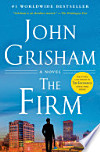
What it is:
A young lawyer joins a prestigious firm, only to discover it is tied to organized crime.
Why it made the list:
It asks a simple but scary question:
What do you do when success traps you in something illegal?
The moral tension is constant:
- Stay silent and survive
- Speak out and risk everything
Best For:
Readers who want fast-paced, high-stakes legal drama
3. Presumed Innocent by Scott Turow
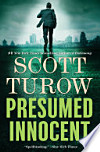
What it is:
A prosecutor becomes the prime suspect in a murder case.
Why it made the list:
This book explores how the justice system can fail even those inside it.
It forces you to question:
- Can the system be trusted?
- Does truth always win in court?
Best For:
Fans of courtroom suspense and layered storytelling
4. The Lincoln Lawyer by Michael Connelly
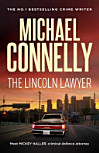
What it is:
A defense attorney who works from his car takes on a case that changes everything.
Why it made the list:
It dives into a key dilemma:
- Defend your client at all costs
- Or stop a dangerous person
Best For:
Readers who enjoy modern legal thrillers with sharp dialogue
5. A Time to Kill by John Grisham
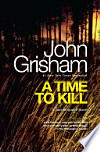
What it is:
A father takes justice into his own hands after a brutal crime.
Why it made the list:
This is one of the strongest examples of:
- Emotional justice vs legal justice
It makes you uncomfortable in a good way.
Best For:
Readers who want emotionally heavy, thought-provoking stories
6. Defending Jacob by William Landay
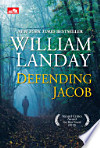
What it is:
A father, who is also a prosecutor, must defend his own son accused of murder.
Why it made the list:
It explores:
- Family loyalty vs truth
- Bias inside the justice system
Best For:
Readers who like psychological tension mixed with legal drama
7. Anatomy of a Murder by Robert Traver
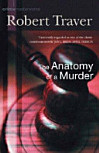
What it is:
A classic courtroom story based on real legal experience.
Why it made the list:
It shows how legal strategy can shape truth.
You will ask:
- Is winning the case the same as justice?
Best For:
Readers who want realistic legal storytelling
8. The Last Juror
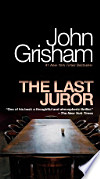
What it is:
A courtroom drama where a juror faces pressure from crime families.
Why it fits:
It asks:
- Can ordinary people deliver justice under threat?
Best For:
Fans of jury-based moral conflict
9. The Innocent Man
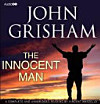
What it is:
A real-life wrongful conviction case.
Why it fits:
This is one of the strongest real-world examples of:
- System failure
- False confessions
- Broken justice processes
Best For:
Readers who want true crime + real injustice
10. The Girl Who Kicked the Hornet’s Nest
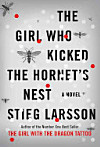
What it is:
A high-stakes legal and political thriller.
Why it fits:
It explores:
- Government corruption
- Abuse of power
- Legal system manipulation
Best For:
Readers who want international crime + courtroom drama
11. The Night Of (Novel-style adaptation / similar works)
What it is:
A story about a young man caught in a flawed justice system.
Why it made the list:
It highlights:
- System bias
- How small mistakes destroy lives
Best For:
Readers who want raw, realistic crime narratives
12. The Whistler
What it is:
A legal thriller about a corrupt judge involved in crime.
Why it fits:
It explores:
- Justice system corruption
- Whistleblowing risks
- Truth vs personal safety
Best For:
Readers who want system-level corruption + legal tension
How to Get the Most Out of These Books
Reading these books is different from reading simple thrillers. Here is how to go deeper:
1. Ask Yourself Questions While Reading
- What would I do in this situation?
- Is the character right or just desperate?
2. Track the Choices
Every major event comes from a decision. Notice them.
In Serious Consequences, for example, Aggie must decide what to reveal and what to hide, knowing lives are at risk.
3. Notice the System
These stories often critique:
- Law enforcement
- Courts
- Power structures
Look at how the system shapes outcomes.
4. Compare Characters
Who follows the law?
Who bends it?
And who breaks it?
That contrast is where the story lives.
5. Reflect After Finishing
The best books stay with you.
Ask:
- Did justice happen?
- Or just something that looks like it?
FAQs
1. What makes a thriller a “moral dilemma” story?
It forces characters to choose between two bad options. There is no easy right answer.
2. Are legal thrillers always about courtrooms?
No. Some focus on investigations, crime networks, or personal decisions outside the court.
3. Is Serious Consequences more action or psychological?
It leans psychological with crime elements, especially around identity, memory, and loyalty.
4. Are these books good for beginners?
Yes. Start with The Firm or The Lincoln Lawyer if you want something easy to follow.
5. Do these stories reflect real-world justice systems?
Many do. In fact, legal thrillers often draw from real cases or common legal issues.
Final Thoughts (Your Next Move)
If you want one place to start, go with:
Serious Consequences if you want depth and emotional tension
The Firm, if you want fast and gripping
Defending Jacob, if you want something personal and intense
Now here’s the question:
Which type of moral dilemma pulls you in more?
- Family vs justice
- Truth vs survival
- Law vs conscience
Pick one. Then pick your book.
And if you already have a favorite, drop it. Let’s build a stronger list.











0 Comments